

Walking Canes & Walking Sticks for Every Style

Canes with Style & Support Trusted by Over 1 Million Since 1999


Walking Canes for Men
Discover our distinguished range of premium wood, classic brass, and modern carbon fiber canes, now in XL sizes. Explore unique sword canes, classic men’s walking sticks, XL cane sizes, and personalized engraving options for a cane that feels truly your own.

Walking Canes for Women
Explore our elegant and exclusive collection of ladies fashion canes! View unique styles adorned with dazzling rhinestones and intricate patterns, providing a comfortable grip. Discover your perfect cane for a stylish, luxurious, and eye-catching look today!


Customer Favorites


Flight of the Hummingbird: Designer Pattern Adjustable Cane
Choose your option


Watercolor Flowers: Designer Adjustable Cane w/ Patterned Handle
Choose your option


Black & White Pearlz Rhinestone Orthopedic Derby Cane
Choose your option


Bat Masterson Premium Brass Knob Cane: Legendary Replica
Choose your option


Exclusive Color-Changing Metallic Blue Cane: Carbon Fiber
Choose your option


Make It Yours: Premium Chrome Cane w/ Personalized Engraving
Choose your option
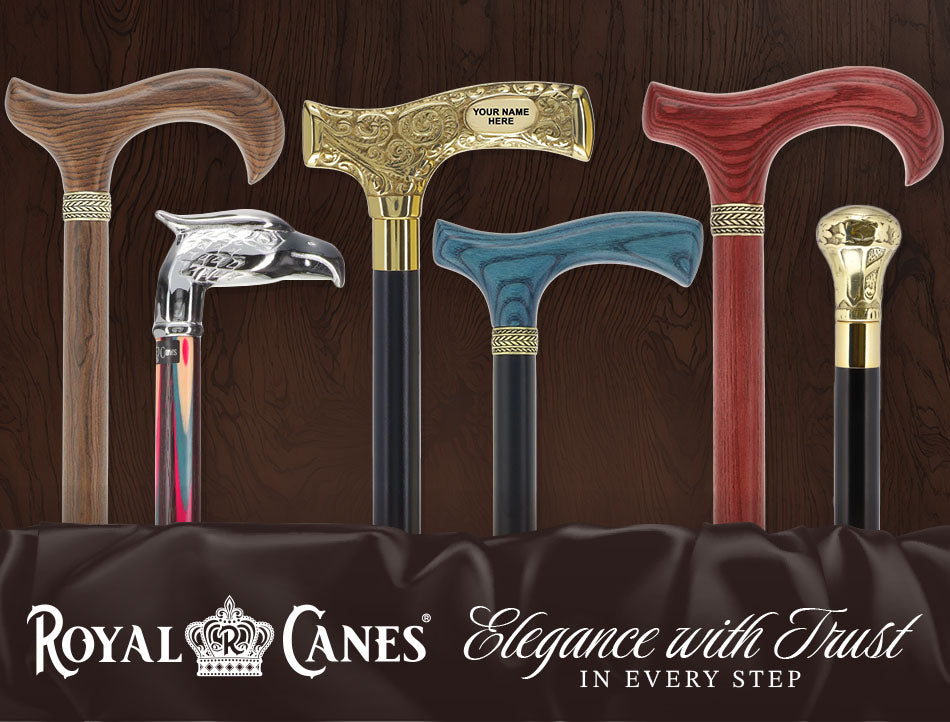

Royal Canes: Heirlooms of Elegance. Inspired by the Renaissance, our handcrafted canes combine exceptional craftsmanship with the finest woods. Experience unmatched quality and style.
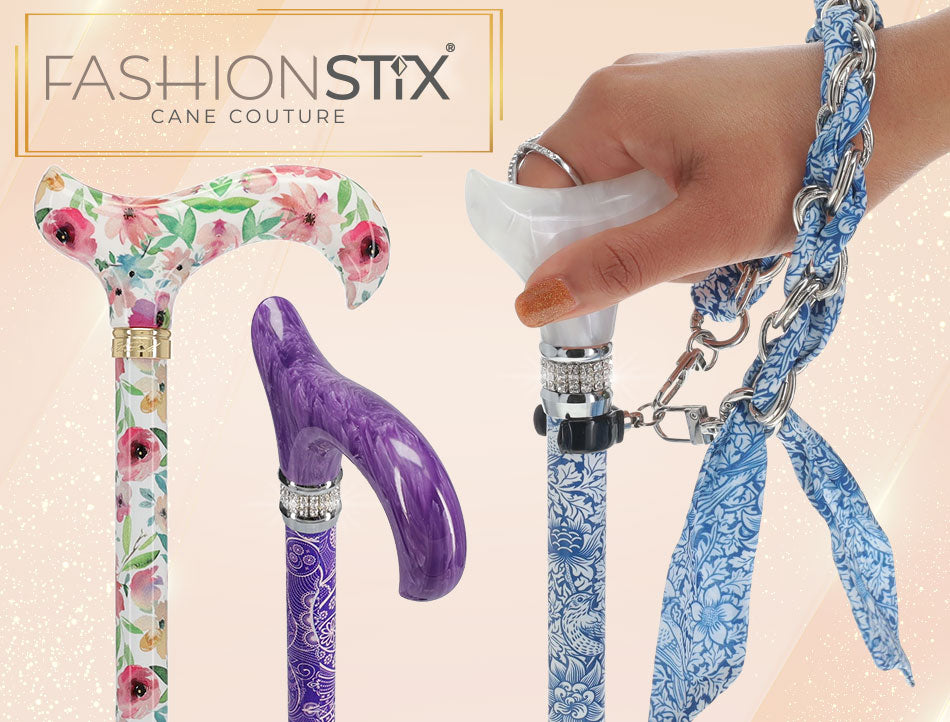

FashionStix is all about style and sophistication, blending fashion with function for fabulous women like you. Each cane in our collection tells a unique story of thoughtful craftsmanship, from timeless patterns to glittering opulence. Our canes are more than just support; they're your statement piece, elevating every outfit with their refined design.
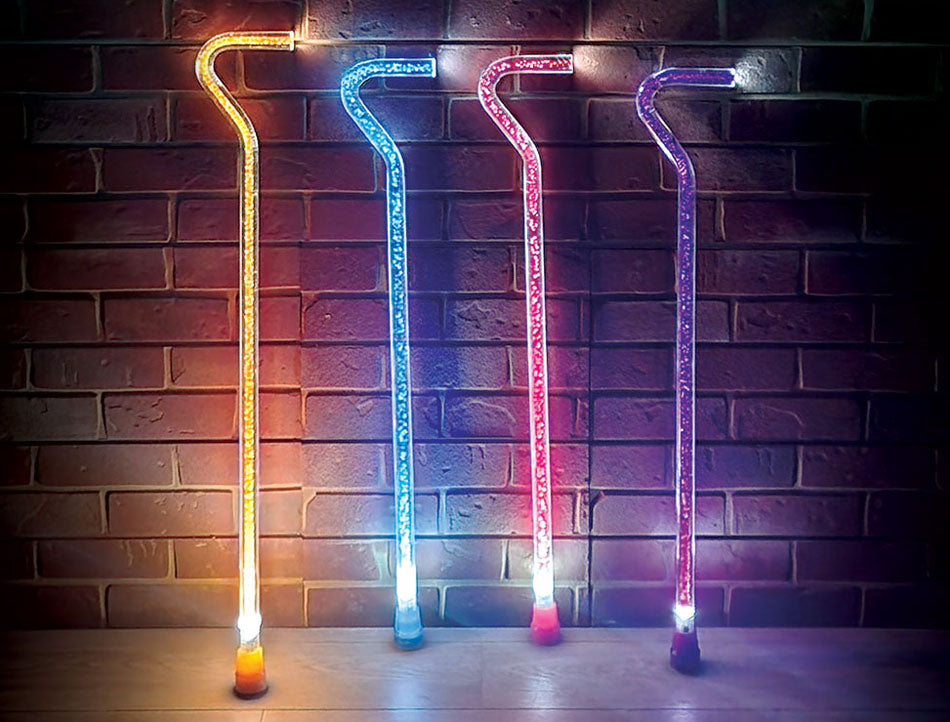

StyleStix clear canes blend contemporary design and innovation seamlessly. Our canes are a bold statement, reflecting the spirit of those who crave a life full of style, individuality, and joy. Crafted for individuals who see each step as an opportunity to stand out, StyleStix is more than a walking companion; it's a fashion-forward accessory designed to elevate your every move.
Super Lightweight Carbon Fiber
Exclusive Color-Changing Metallic Blue Cane: Carbon Fiber
Choose your option


Lightweight Mesh Carbon Fiber Cane - Foldable & Adjust
Choose your option


Premium Carbon Fiber Cane, Triple Wound, Adjustable & Foldable
Choose your option


Exclusive Dr. House Flame Derby Cane - Carbon Fiber
Choose your option


Dr. House Flame Derby Cane: Foldable & Adjustable Carbon Fiber
Choose your option


The Northern Lights Metallic Derby Carbon Fiber Walking Cane
Choose your option
Real People, Real Style, Real Support: See What Our Community Loves:


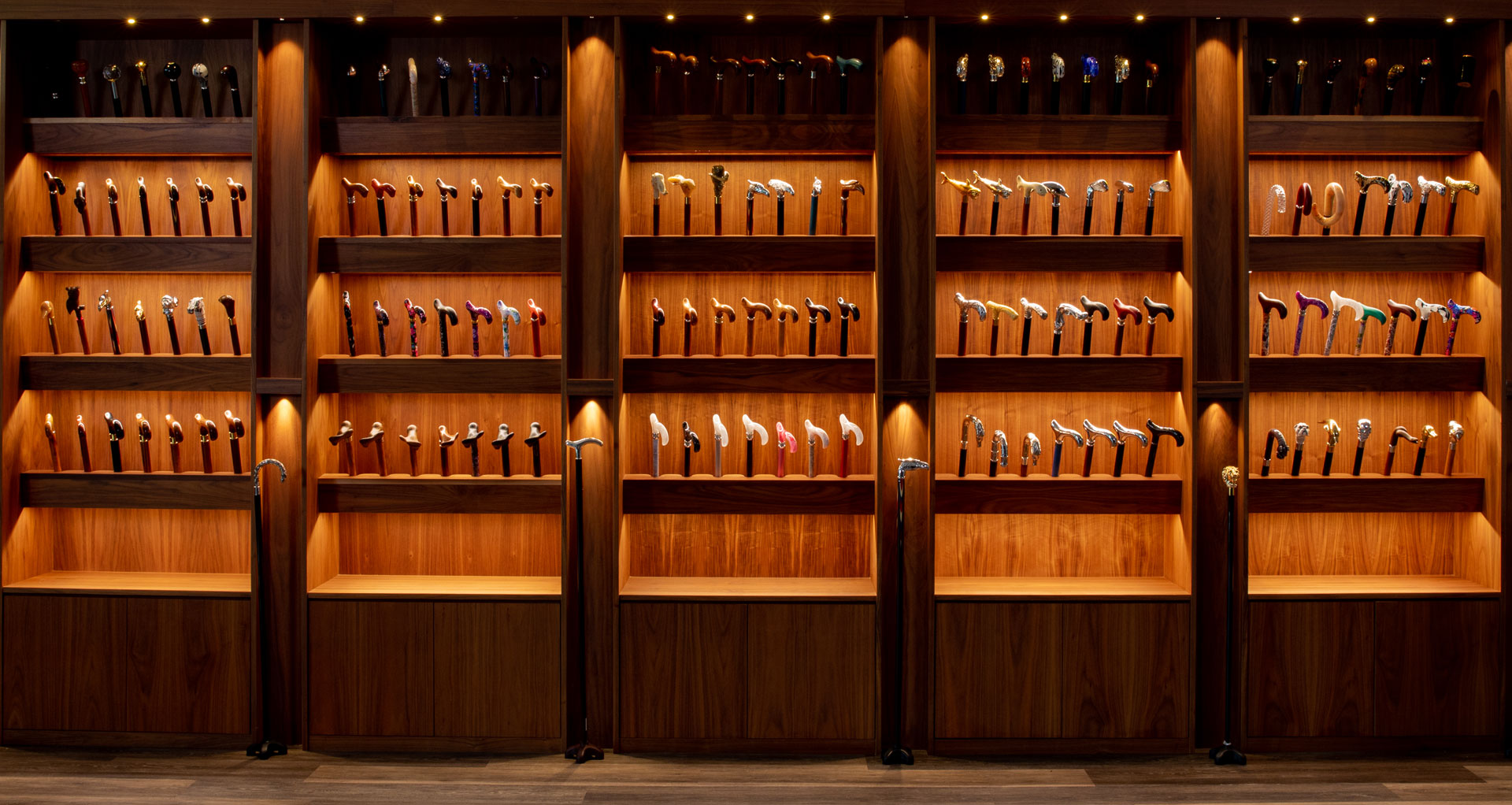
Visit our store in Florida
The leader for over 25 years, we are proud to offer many different high-quality walking canes and walking sticks that provide our customers with the best of both worlds. Visit our store in sunny Clearwater, FL!
Explore the Fashionable Canes Blog
A comprehensive guide to walking canes, mobility tips, and the latest stylish cane trends.


